Memory Care Home Features That Promote Self-reliance
Business Name: BeeHive Homes of Plainview
Address: 1435 Lometa Dr, Plainview, TX 79072
Phone: (806) 452-5883
BeeHive Homes of Plainview
Beehive Homes of Plainview assisted living care is ideal for those who value their independence but require help with some of the activities of daily living. Residents enjoy 24-hour support, private bedrooms with baths, medication monitoring, home-cooked meals, housekeeping and laundry services, social activities and outings, and daily physical and mental exercise opportunities. Beehive Homes memory care services accommodates the growing number of seniors affected by memory loss and dementia. Beehive Homes offers respite (short-term) care for your loved one should the need arise. Whether help is needed after a surgery or illness, for vacation coverage, or just a break from the routine, respite care provides you peace of mind for any length of stay.
1435 Lometa Dr, Plainview, TX 79072
Business Hours
A good memory care home does greater than keep a person safe. It helps them maintain doing the things they can still succeed, even when memory loss alters the rhythm of daily life. That distinction issues. Households usually start their look for memory care near me because they need guidance, however what they are truly hoping for is a place where their parent, spouse, or sibling can still seem like themselves.
Independence does not always look the way it did previously. Sometimes it means selecting what shirt to put on, discovering the dining room without assistance, or strolling to a familiar chair and taking a seat with self-confidence. In some cases it indicates participating in familiar routines with just sufficient beehivehomes.com respite care assistance to do well. The most effective memory care homes comprehend this balance. They develop rooms and day-to-day techniques that reduce confusion without stripping away choice.
That equilibrium is not unexpected. It originates from thoughtful planning, personnel training, and an understanding of exactly how dementia impacts focus, judgment, and confidence. A corridor that appears easy to a healthy adult can feel frustrating to someone with amnesia. A beautifully enhanced space can be more difficult to navigate than one that appears but well organized. Also small details, like the color of a washroom door or the placement of a hand rails, can influence whether a resident steps with the day with ease or frustration.
A setting that silently guides, not controls
The format of a memory care community has a direct effect on freedom. If an individual can determine where they are do without requiring to ask every few actions, they are more probable to walk around on their own. That builds self-confidence, and confidence frequently brings about a lot more movement, more social get in touch with, and a better mood.
Clear sightlines help a large amount. Long, nonstop corridors can be disorienting, however a home that utilizes basic paths, easy-to-read landmarks, and natural gathering factors offers residents a sense of direction. A dining-room noticeable from the hall, a sunroom with an unique chair setup, or a memory box outside each home door can become acquainted anchors. Homeowners do not need to remember a complicated floor plan. They only need sufficient cues to identify where they are.
Color contrast matters also, particularly for individuals with visual handling modifications. A white bathroom against a white wall is much more challenging to determine than one established versus a darker background. A dark chair on a light flooring stands apart better than a seat that blends into its surroundings. These may appear like small style choices, however they lower reluctance. When a resident can recognize a chair, a sink, or an entrance quickly, they require less assistance.
Safe straying paths are an additional feature that sustains independence. Wandering audios negative, but in memory care it commonly shows a genuine human need to move. Residents may be restless, distressed, or simply driven by behavior. A secure knotted corridor or indoor strolling course lets them maintain relocating without stumbling blocks that can activate panic. An individual can take several laps, welcome team, or look out a home window without really feeling trapped.
Private areas that still really feel manageable
A resident's area need to feel personal, however not littered. Too much furniture, too many patterns, or a pile of personal belongings can make it harder for someone to recognize the space. The very best memory care areas strike a practical middle ground. They are warm, acquainted, and customized, yet easy sufficient that the resident can make sense of them.
Personal items matter greater than individuals often expect. A patchwork from home, mounted family members photos, a favored light, or an acquainted reclining chair can lower stress and anxiety and help a resident orient themselves. I have seen individuals stroll into a space, glance at 2 or three purposeful items, and visibly unwind. Their shoulders decline. Their speech softens. The area begins to feel like theirs.
Furniture placement becomes part of independence as well. When the bed, chair, and shower room are organized practically, a resident can move more easily. A clear course from bed to bathroom lowers nighttime confusion and lowers autumn threat. User friendly illumination controls, noticeable closet deals with, and a bathroom door that attracts attention aesthetically all aid a resident do more without awaiting help.
Some homeowners do better with a semi-private arrangement, while others need an exclusive area for calm and dignity. There is no single right answer. A person who delights in quiet and regular might thrive with an exclusive setting, while somebody who is socially motivated may take advantage of a shared space, provided the pairing is considerate. An experienced senior care group takes note of these differences as opposed to assuming one setup helps everyone.
Bathrooms built for self-respect and routine
Bathrooms are one of the most essential locations to believe carefully regarding independence. They are additionally one of the most typical places where people with dementia need support. A well-designed memory care washroom can make an incredible distinction in just how much help a resident requirements each day.
Grab bars, walk-in showers, non-slip floor covering, and lever-style taps all minimize the exertion required. However the aesthetic style matters equally as much. A toilet that is simple to see and a sink that is plainly separate from the counter can assist a resident follow the sequence of toileting and handwashing with much less triggering. If the washroom looks too much like a common resort shower room, the brain may not right away acknowledge what to do there.
Privacy is important below as well. Locals are entitled to as much dignity as possible, also when they need standby aid or cueing. Team should be trained to supply help without crowding. A straightforward knock, a tranquil voice, and a considerate time out prior to going into can preserve a person's sense of self. That becomes part of elder care that households often do not see from the outside, but they feel it when it is done well.
Motion-sensor night lights can likewise sustain independence. A resident who wakes at night and sees a soft radiance leading to the bathroom is more likely to relocate securely on their own. That minimizes the requirement for consistent wake-ups or intrusive monitoring, both of which can disrupt sleep.
Kitchens and eating locations that invite participation
Food is just one of one of the most trustworthy paths to freedom in memory care. Also locals who battle with names or routines commonly reply to scent, taste, and routine. The dining setting need to make the most of that.
A welcoming dining-room with clear table setups, excellent lights, and workable noise degrees enables homeowners to focus on consuming and interacting socially. Chairs must be easy to take out and return. Tables must be at a comfy elevation. Menus may require to be streamlined, yet locals need to still be offered choices when possible. Selection strengthens personhood.
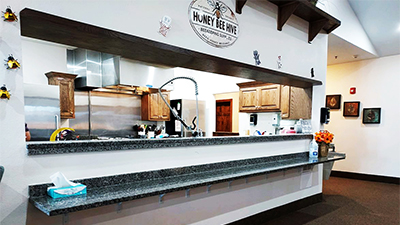
Some memory care homes create open cooking area areas where locals can watch basic food preparation, assist with light tasks, or enjoy the sensory comfort of a home-like setup. Not every person must have accessibility to every component of a kitchen, of course. Safety has to come first. But a resident may still have the ability to mix a dish, peel a banana, or fold napkins with supervision. Those small acts can recover a sense of usefulness.
Meal timing also influences independence. If a resident is starving at a foreseeable time every day, their body starts to sign the regimen. Consistency lowers stress and anxiety. Households comparing memory care near me options typically inquire about the food selection, but they must additionally ask just how dishes are offered, whether citizens are rushed, and whether snacks are readily available in between meals. The entire rhythm of consuming issues, not just the food itself.
Spaces for activity, rest, and acquainted habits
A resident's freedom expands when the community sustains day-to-day practices. That consists of walking, sitting in the sun, listening to music, sprinkling plants, or folding laundry. Memory care homes that make room for these sort of activities tend to really feel less institutional and a lot more livable.
Outdoor yards are specifically valuable when they are secure, shaded, and simple to access. A resident that can tip outside, feel fresh air, and return without browsing a confusing leave is obtaining greater than exercise. They are maintaining an item of regular life. Benches, simple pathways, and obvious limits enable citizens to delight in the room without really feeling hemmed in.
Indoor typical areas should likewise be functional, not simply attractive. A room with awkward furnishings or way too many decorative objects may look nice in a tour however fail in day-to-day use. Residents need locations where they can rest with a newspaper, view a game, or join a small activity without sensory overload. Quiet corners are equally as essential as dynamic team spaces. Some individuals thrive in company. Others do much better when they can observe from the side before signing up with in.
Routine jobs can be surprisingly meaningful below. Folding towels, laying out cups, or matching socks may seem small, however they produce framework. They also give personnel a way to engage homeowners who are uneasy or burnt out without talking down to them. Purposeful activity frequently functions much better than just attempting to keep somebody occupied.
Memory hints that lower the need to ask
People with amnesia typically do much better when their atmosphere provides pointers prior to they need to ask. Great memory care homes utilize visual and practical cues throughout the building to help residents browse the day independently.
Room indications with huge print and images can assist locals identify where they live. A memory box outside a door, full of a few personal items, can do the very same task in a much more personalized method. Washroom indications should be clear and positioned at eye degree. Common rooms need to be labeled in a simple way, not in cutesy language that seems joyful however puzzles people.
Clock encounters, calendars, and daily timetable boards can also help orient homeowners to time. A person that sees that it is Tuesday, morning meal is completed, and the afternoon activity begins at 2 p.m. May really feel less shed. The details ought to be easy and updated consistently. If a board is outdated, it produces more confusion than clarity.
This is just one of those areas where senior living near me searches can gain from a deeper appearance. An area might promote memory support, yet what issues is exactly how the setting really assists a resident feature on a Tuesday mid-day, not simply how it views on a brochure.
Staff that know when to step back
Features and design matter, but people make the greatest distinction. A memory care home can have all the ideal style aspects and still limitation independence if team do every little thing for residents as opposed to with them.
The ideal caretakers comprehend the distinction in between assistance and takeover. If a resident can clean their own face with a little cueing, that is worth maintaining. If they can button one tee shirt button and require aid with the remainder, allow them do the very first one. If they can carry their paper napkin to the table, allow them bring it. These moments are not unimportant. They are the building blocks of dignity.

Training must cover communication design as long as job assistance. Sluggish speech, one-step instructions, and calm body language assistance residents feel qualified. A hurried, overly thorough description can produce a lot more confusion than it resolves. Excellent staff notice when a resident can greater than they appear and carefully motivate them without making them feel tested.
There is additionally a judgment phone call associated with every change. Some days a resident can do greater than on the previous day. Tiredness, illness, despair, or an adjustment in regimen can temporarily decrease capability. Competent staff adapt. They understand when to use more aid and when to give a person the moment they need to finish a job on their own.
The function of innovation, utilized carefully
Technology can sustain independence in memory care, yet only when it is basic and unobtrusive. The goal is not to load a building with devices. The goal is to decrease friction.
A telephone call system that is very easy to make use of can aid locals request for help without delay. Surveillance systems that inform staff when someone leaves a space during the night can improve safety. Some neighborhoods utilize door alarms or movement sensing units to track movement patterns and respond before a small concern comes to be a dilemma. These tools can be beneficial, particularly in a setup where loss risk and nighttime complication are common.
Still, technology should not replace human get in touch with. A resident who gets a punctual from a sensing unit but no warm follow-up from personnel will certainly not really feel more independent, just observed. The best elder care teams make use of technology to maximize time for personal attention. If personnel spend much less time responding to preventable troubles, they can invest even more time encouraging locals to do points for themselves.
Families typically ask whether a neighborhood is "high tech," yet a much better concern is whether the innovation makes daily life simpler or simply much more complicated. An easy pendant, a well-placed intercom, or a discreet alert system might offer locals better than a fancy attribute that no one really makes use of well.
What households must look for throughout a visit
When visiting a memory care home, it assists to enjoy how residents relocate via the space, not simply what the sales brochure highlights. Do individuals appear unwinded enough to attempt tasks on their own? Are they discovering their means with light support, or are they regularly stopped and rerouted? Does the setting seem adapted to reality, or does it feel staged?
A few sensible information tell you a lot. Are the hallways very easy to follow? Are shower rooms obvious and accessible? Can citizens reach typical areas without getting lost? Exists proof that people can participate in everyday regimens rather than simply sit and wait?

These are the kinds of concerns that divide a pleasurable tour from a meaningful one. Families looking for memory care near me usually focus initially on safety, that makes feeling. However if an area is absolutely helping residents live well, it will likewise reveal signs of freedom in small, day-to-day ways.
One beneficial way to consider a tour is to notice whether the environment feels encouraging or limiting. The complying with functions usually point towards a location that sustains independence:
- clear paths and easy-to-read signs
- safe walking areas and protected outside access
- bathrooms and bed rooms made for simple use
- spaces for acquainted regimens, like meals, songs, and folding laundry
- staff who talk to locals with perseverance and respect
Independence does not suggest doing every little thing alone
This is the component households sometimes need the most confidence about. Freedom in memory care is not regarding leaving somebody unsupported. It is about maintaining as much capability as possible, for as long as possible, in a setting that maintains them safe.
A resident might need aid bearing in mind morning meal time, yet still select what to eat. They may require supervision in the shower, however still wash their own face. They might need guidance to the activity area, but still choose whether to sign up with the card video game or rest close-by and listen. Those selections matter.
The best memory care homes understand that the point is not to make life smaller. It is to make life manageable enough that the individual inside the diagnosis can still appear. A thoughtful layout, functional cues, receptive personnel, and a stable routine all collaborate to make that possible.
Families searching for senior care or elder care are frequently carrying a heavy mix of seriousness and hope. They desire a location that really feels risk-free, however additionally a place where their loved one will still be dealt with as a person with preferences, behaviors, and capacities. That is a reasonable assumption. As a matter of fact, it is the appropriate one.
A memory care home that promotes self-reliance does not brag the loudest. It often tends to reveal its top quality in peaceful ways. A resident gets to the dining room without assistance. A person waters a plant they recognize. An additional individual beings in the yard with a cup of tea and looks material, not monitored, simply sustained. Those minutes are small from the outside. Inside the life of the resident, they are everything.
BeeHive Homes of Plainview provides assisted living care
BeeHive Homes of Plainview provides memory care services
BeeHive Homes of Plainview provides respite care services
BeeHive Homes of Plainview supports assistance with bathing and grooming
BeeHive Homes of Plainview offers private bedrooms with private bathrooms
BeeHive Homes of Plainview provides medication monitoring and documentation
BeeHive Homes of Plainview serves dietitian-approved meals
BeeHive Homes of Plainview provides housekeeping services
BeeHive Homes of Plainview provides laundry services
BeeHive Homes of Plainview offers community dining and social engagement activities
BeeHive Homes of Plainview features life enrichment activities
BeeHive Homes of Plainview supports personal care assistance during meals and daily routines
BeeHive Homes of Plainview promotes frequent physical and mental exercise opportunities
BeeHive Homes of Plainview provides a home-like residential environment
BeeHive Homes of Plainview creates customized care plans as residents’ needs change
BeeHive Homes of Plainview assesses individual resident care needs
BeeHive Homes of Plainview accepts private pay and long-term care insurance
BeeHive Homes of Plainview assists qualified veterans with Aid and Attendance benefits
BeeHive Homes of Plainview encourages meaningful resident-to-staff relationships
BeeHive Homes of Plainview delivers compassionate, attentive senior care focused on dignity and comfort
BeeHive Homes of Plainview has a phone number of (806) 452-5883
BeeHive Homes of Plainview has an address of 1435 Lometa Dr, Plainview, TX 79072
BeeHive Homes of Plainview has a website https://beehivehomes.com/locations/plainview/
BeeHive Homes of Plainview has Google Maps listing https://maps.app.goo.gl/UibVhBNmSuAjkgst5
BeeHive Homes of Plainview has Facebook page https://www.facebook.com/BeeHivePV
BeeHive Homes of Plainview has an YouTube page https://www.youtube.com/@WelcomeHomeBeeHiveHomes
BeeHive Homes of Plainview won Top Assisted Living Homes 2025
BeeHive Homes of Plainview earned Best Customer Service Award 2024
BeeHive Homes of Plainview placed 1st for Senior Living Communities 2025
People Also Ask about BeeHive Homes of Plainview
What is BeeHive Homes of Plainview Living monthly room rate?
The rate depends on the level of care that is needed. We do an initial evaluation for each potential resident to determine the level of care needed. The monthly rate is based on this evaluation. There are no hidden costs or fees
Can residents stay in BeeHive Homes until the end of their life?
Usually yes. There are exceptions, such as when there are safety issues with the resident, or they need 24 hour skilled nursing services
Do we have a nurse on staff?
No, but each BeeHive Home has a consulting Nurse available 24 – 7. if nursing services are needed, a doctor can order home health to come into the home
What are BeeHive Homes’ visiting hours?
Visiting hours are adjusted to accommodate the families and the resident’s needs… just not too early or too late
Do we have couple’s rooms available?
Yes, each home has rooms designed to accommodate couples. Please ask about the availability of these rooms
Where is BeeHive Homes of Plainview located?
BeeHive Homes of Plainview is conveniently located at 1435 Lometa Dr, Plainview, TX 79072. You can easily find directions on Google Maps or call at (806) 452-5883 Monday through Sunday 9:00am to 5:00pm
How can I contact BeeHive Homes of Plainview?
You can contact BeeHive Homes of Plainview by phone at: (806) 452-5883, visit their website at https://beehivehomes.com/locations/plainview/, or connect on social media via Facebook or YouTube
Running Water Draw Regional Park offers shaded walking paths and open green space where residents in assisted living, memory care, senior care, elderly care, and respite care can enjoy gentle outdoor relaxation.