Memory Care Home Characteristic That Promote Self-reliance
Business Name: BeeHive Homes of Plainview
Address: 1435 Lometa Dr, Plainview, TX 79072
Phone: (806) 452-5883
BeeHive Homes of Plainview
Beehive Homes of Plainview assisted living care is ideal for those who value their independence but require help with some of the activities of daily living. Residents enjoy 24-hour support, private bedrooms with baths, medication monitoring, home-cooked meals, housekeeping and laundry services, social activities and outings, and daily physical and mental exercise opportunities. Beehive Homes memory care services accommodates the growing number of seniors affected by memory loss and dementia. Beehive Homes offers respite (short-term) care for your loved one should the need arise. Whether help is needed after a surgery or illness, for vacation coverage, or just a break from the routine, respite care provides you peace of mind for any length of stay.
1435 Lometa Dr, Plainview, TX 79072
Business Hours
An excellent memory care home does more than maintain a person risk-free. It aids them keep doing the things they can still do well, also when amnesia transforms the rhythm of every day life. That difference issues. Family members usually begin their search for memory care near me since they need supervision, but what they are truly expecting is a place where their parent, spouse, or brother or sister can still feel like themselves.

Independence does not always look the way it did before. Sometimes it implies picking what t shirt to wear, finding the dining room without help, or walking to a familiar chair and sitting down with confidence. Sometimes it indicates participating in acquainted routines with simply sufficient support to be successful. The best memory care homes comprehend this balance. They develop rooms and day-to-day methods that decrease confusion without stripping away choice.
That balance is not unintentional. It originates from thoughtful planning, staff training, and an understanding of how dementia affects focus, judgment, and self-confidence. A hallway that appears easy to a healthy and balanced adult can really feel overwhelming to someone with amnesia. A wonderfully embellished area can be tougher to navigate than one that appears but well arranged. Also small information, like the color of a restroom door or the positioning of a hand rails, can influence whether a resident steps through the day effortlessly or frustration.
A setup that silently overviews, not controls
The format of a memory care area has a straight impact on freedom. If a person can figure out where they are do without requiring to ask every few steps, they are more probable to move by themselves. That constructs self-confidence, and confidence often leads to much more activity, even more social call, and a far better mood.
Clear sightlines aid a good deal. Long, nonstop corridors can be disorienting, however a home that utilizes easy paths, easy-to-read sites, and all-natural celebration factors provides residents an orientation. A dining-room noticeable from the hall, a sun parlor with a distinct chair plan, or a memory box outside each house door can come to be acquainted supports. Locals do not require to memorize a complex layout. They just require sufficient hints to recognize where they are.
Color comparison matters too, especially for people with aesthetic processing changes. A white bathroom against a white wall is much tougher to recognize than one established versus a darker background. A dark chair on a light flooring sticks out better than a seat that mixes into its surroundings. These might look like small style choices, however they decrease doubt. When a resident can identify a chair, a sink, or a doorway swiftly, they require less assistance.
Safe wandering courses are another function that sustains self-reliance. Wandering noises unfavorable, however in memory care it often mirrors a real human demand to relocate. Locals may be restless, nervous, or simply driven by routine. A safe and secure knotted corridor or interior strolling course lets them maintain moving without dead ends that can activate panic. A person can take a number of laps, welcome team, or look out a window without really feeling trapped.
Private rooms that still feel manageable
A resident's room must really feel personal, yet not cluttered. Way too much furniture, a lot of patterns, or a heap of possessions can make it harder for somebody to comprehend the area. The best memory care spaces strike a sensible middle ground. They are warm, familiar, and individualized, yet straightforward sufficient that the resident can make sense of them.
Personal things matter more than individuals in some cases expect. A quilt from home, mounted family pictures, a favorite light, or a familiar reclining chair can lower stress and anxiety and help a resident orient themselves. I have seen people walk into a room, glance at senior care near me BeeHive Homes of Plainview two or 3 significant objects, and visibly kick back. Their shoulders decrease. Their speech softens. The area begins to feel like theirs.
Furniture placement belongs to independence too. When the bed, chair, and restroom are arranged rationally, a resident can move around more conveniently. A clear course from bed to washroom minimizes nighttime complication and lowers fall risk. User friendly lighting controls, noticeable wardrobe manages, and a washroom door that sticks out aesthetically all help a resident do even more without waiting for help.
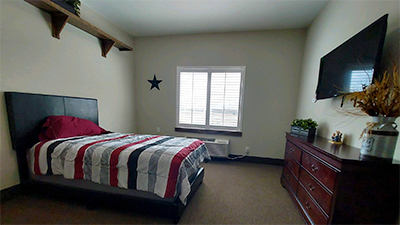
Some residents do much better with a semi-private arrangement, while others need a private area for tranquil and dignity. There is no single right answer. A person that appreciates peaceful and regular may love a private setup, while someone who is socially encouraged may take advantage of a common space, provided the pairing is respectful. A skilled senior care team takes note of these distinctions as opposed to presuming one configuration works for everyone.
Bathrooms built for self-respect and routine
Bathrooms are one of the most essential places to assume carefully concerning freedom. They are likewise one of the most common locations where people with dementia need assistance. A well-designed memory care washroom can make a tremendous distinction in how much assistance a resident demands each day.
Grab bars, walk-in showers, non-slip flooring, and lever-style faucets all decrease the physical effort called for. Yet the aesthetic style issues just as much. A bathroom that is easy to see and a sink that is clearly separate from the counter can assist a resident follow the sequence of toileting and handwashing with much less motivating. If the bathroom looks way too much like a common hotel washroom, the brain may not right away acknowledge what to do there.
Privacy is important here too. Citizens should have as much self-respect as feasible, also when they require standby aid or cueing. Team ought to be trained to provide help without crowding. A straightforward knock, a calm voice, and a respectful time out before going into can maintain an individual's sense of self. That belongs to elder care that family members typically do not see from the outside, but they feel it when it is done well.
Motion-sensor night illumination can additionally support independence. A resident who wakes at night and sees a soft glow bring about the restroom is more probable to move securely on their own. That reduces the requirement for consistent wake-ups or intrusive tracking, both of which can interfere with sleep.
Kitchens and dining areas that welcome participation
Food is among the most reliable courses to freedom in memory care. Also homeowners that fight with names or timetables commonly react to smell, preference, and routine. The eating atmosphere need to make the most of that.
An inviting dining-room with clear table settings, great illumination, and manageable noise degrees enables homeowners to concentrate on consuming and mingling. Chairs need to be easy to take out and return. Tables need to go to a comfortable elevation. Menus might require to be streamlined, yet residents must still be supplied options when feasible. Choice strengthens personhood.
Some memory care homes develop open kitchen area areas where homeowners can enjoy straightforward food preparation, assist with light jobs, or delight in the sensory comfort of a home-like setting. Not every person must have access to every component of a kitchen area, of course. Safety has to precede. But a resident might still have the ability to mix a bowl, peel off a banana, or fold napkins with supervision. Those small acts can restore a feeling of usefulness.
Meal timing also impacts freedom. If a resident is hungry at a predictable time each day, their body starts to cue the regimen. Consistency minimizes stress and anxiety. Family members comparing memory care near me alternatives commonly inquire about the menu, but they should likewise ask just how dishes are offered, whether residents are hurried, and whether snacks are offered in between meals. The entire rhythm of consuming matters, not simply the food itself.
Spaces for activity, rest, and familiar habits
A resident's freedom grows when the neighborhood supports daily practices. That consists of walking, sitting in the sunlight, paying attention to music, sprinkling plants, or folding laundry. Memory care homes that make room for these kinds of activities often tend to really feel much less institutional and a lot more livable.
Outdoor yards are specifically important when they are safe, shaded, and easy to gain access to. A resident that can tip outside, really feel fresh air, and return without browsing a confusing departure is getting more than exercise. They are retaining an item of ordinary life. Benches, straightforward pathways, and noticeable limits allow residents to take pleasure in the space without feeling hemmed in.
Indoor usual locations must additionally be usable, not just appealing. A space with uneasy furniture or a lot of decorative things may look nice in a tour but fail in day-to-day use. Homeowners require areas where they can sit with a paper, see a video game, or join a small activity without sensory overload. Silent corners are equally as crucial as lively team spaces. Some individuals thrive in business. Others do better when they can observe from the side before joining in.
Routine chores can be surprisingly significant below. Folding towels, laying out cups, or matching socks may seem small, however they develop structure. They additionally offer team a way to involve citizens who are troubled or tired without patronizing them. Purposeful activity usually works much better than merely trying to keep a person occupied.
Memory cues that minimize the requirement to ask
People with memory loss commonly do better when their setting gives them reminders before they need to ask. Great memory care homes make use of visual and functional signs throughout the structure to help citizens navigate the day independently.
Room signs with huge print and images can help citizens acknowledge where they live. A memory box outside a door, full of a couple of individual items, can do the very same task in a more customized method. Shower room indicators need to be clear and placed at eye degree. Usual rooms must be identified in a straightforward means, not in cutesy language that seems joyful however puzzles people.
Clock deals with, calendars, and daily routine boards can also aid orient citizens to time. An individual who sees that it is Tuesday, breakfast is finished, and the afternoon activity begins at 2 p.m. May really feel much less shed. The information should be easy and updated continually. If a board is obsoleted, it produces much more confusion than clarity.
This is among those areas where senior living near me searches can gain from a much deeper appearance. An area might promote memory support, however what matters is how the environment in fact assists a resident feature on a Tuesday afternoon, not just exactly how it looks on a brochure.
Staff who recognize when to tip back
Features and layout issue, yet individuals make the most significant difference. A memory care home can have all the ideal layout elements and still restriction self-reliance if staff do every little thing for locals as opposed to with them.
The ideal caregivers understand the distinction in between aid and takeover. If a resident can wash their very own confront with a little cueing, that deserves preserving. If they can switch one t-shirt button and need aid with the remainder, let them do the initial one. If they can carry their napkin to the table, allow them carry it. These minutes are not trivial. They are the building blocks of dignity.
Training should cover interaction design as long as job support. Slow speech, one-step instructions, and calm body language help residents really feel qualified. A hurried, extremely in-depth description can develop more complication than it resolves. Good staff notice when a resident can more than they appear and carefully encourage them without making them really feel tested.
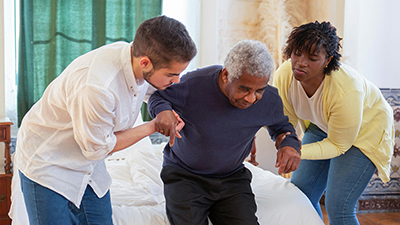
There is additionally a judgment phone call associated with every change. Some days a resident can do greater than on the previous day. Fatigue, disease, pain, or a modification in regimen can momentarily decrease ability. Skilled staff adapt. They know when to provide even more help and when to provide an individual the moment they require to end up a job on their own.
The function of technology, made use of carefully
Technology can sustain independence in memory care, however only when it is basic and inconspicuous. The goal is not to fill a building with devices. The goal is to decrease friction.
A call system that is simple to make use of can assist homeowners request aid right away. Surveillance systems that notify team when somebody leaves a room at night can improve safety. Some neighborhoods utilize door alarm systems or movement sensors to track movement patterns and react before a small concern becomes a dilemma. These devices can be useful, particularly in a setting where loss threat and nighttime complication are common.
Still, modern technology must not change human get in touch with. A resident that gets a punctual from a sensing unit but no warm follow-up from personnel will certainly not feel more independent, just observed. The very best elder care groups make use of modern technology to liberate time for personal focus. If team invest less time responding to avoidable issues, they can spend more time motivating locals to do things for themselves.
Families often ask whether an area is "high tech," but a much better inquiry is whether the innovation makes life simpler or merely extra complicated. A simple necklace, a well-placed intercom, or a very discreet sharp system may serve homeowners far better than a flashy feature that no one really makes use of well.
What households must seek during a visit
When exploring a memory care home, it helps to enjoy how residents move through the area, not just what the brochure highlights. Do people appear relaxed sufficient to try jobs on their own? Are they finding their means with light assistance, or are they continuously quit and redirected? Does the setting seem adapted to the real world, or does it really feel staged?
A few useful details tell you a whole lot. Are the hallways simple to comply with? Are washrooms evident and accessible? Can citizens get to common rooms without getting shed? Is there proof that individuals can take part in daily regimens instead of merely sit and wait?
These are the kinds of concerns that divide an enjoyable tour from a purposeful one. Households looking for memory care near me typically focus first on safety, that makes feeling. However if a neighborhood is really helping residents live well, it will also show signs of freedom in small, day-to-day ways.
One valuable method to think about a tour is to see whether the setting feels motivating or restrictive. The complying with features usually aim toward an area that supports freedom:
- clear paths and easy-to-read signs
- safe strolling areas and secure exterior access
- bathrooms and rooms created for easy use
- spaces for acquainted regimens, like meals, music, and folding laundry
- staff who speak with homeowners with perseverance and respect
Independence does not imply doing whatever alone
This is the part families sometimes require the most reassurance about. Freedom in memory care is not concerning leaving a person unsupported. It is about maintaining as much ability as feasible, for as long as feasible, in a setup that maintains them safe.
A resident might need aid remembering breakfast time, however still pick what to eat. They may need supervision in the shower, however still wash their own face. They may require assistance to the activity area, yet still determine whether to join the card video game or sit close-by and listen. Those options matter.
The best memory care homes comprehend that the point is not to make life smaller. It is to make life manageable sufficient that the person inside the medical diagnosis can still show up. A thoughtful design, useful cues, receptive staff, and a consistent routine all collaborate to make that possible.
Families looking for senior care or elder care are often bring a hefty mix of necessity and hope. They desire a location that feels secure, yet also a location where their loved one will still be dealt with as an individual with choices, habits, and abilities. That is a sensible assumption. As a matter of fact, it is the best one.
A memory care home that promotes independence does not boast the loudest. It often tends to reveal its top quality in silent means. A resident gets to the dining-room without aid. Somebody waters a plant they recognize. Another person sits in the yard with a cup of tea and looks material, not monitored, simply sustained. Those minutes are small from the outside. Inside the life of the resident, they are everything.
BeeHive Homes of Plainview provides assisted living care
BeeHive Homes of Plainview provides memory care services
BeeHive Homes of Plainview provides respite care services
BeeHive Homes of Plainview supports assistance with bathing and grooming
BeeHive Homes of Plainview offers private bedrooms with private bathrooms
BeeHive Homes of Plainview provides medication monitoring and documentation
BeeHive Homes of Plainview serves dietitian-approved meals
BeeHive Homes of Plainview provides housekeeping services
BeeHive Homes of Plainview provides laundry services
BeeHive Homes of Plainview offers community dining and social engagement activities
BeeHive Homes of Plainview features life enrichment activities
BeeHive Homes of Plainview supports personal care assistance during meals and daily routines
BeeHive Homes of Plainview promotes frequent physical and mental exercise opportunities
BeeHive Homes of Plainview provides a home-like residential environment
BeeHive Homes of Plainview creates customized care plans as residents’ needs change
BeeHive Homes of Plainview assesses individual resident care needs
BeeHive Homes of Plainview accepts private pay and long-term care insurance
BeeHive Homes of Plainview assists qualified veterans with Aid and Attendance benefits
BeeHive Homes of Plainview encourages meaningful resident-to-staff relationships
BeeHive Homes of Plainview delivers compassionate, attentive senior care focused on dignity and comfort
BeeHive Homes of Plainview has a phone number of (806) 452-5883
BeeHive Homes of Plainview has an address of 1435 Lometa Dr, Plainview, TX 79072
BeeHive Homes of Plainview has a website https://beehivehomes.com/locations/plainview/
BeeHive Homes of Plainview has Google Maps listing https://maps.app.goo.gl/UibVhBNmSuAjkgst5
BeeHive Homes of Plainview has Facebook page https://www.facebook.com/BeeHivePV
BeeHive Homes of Plainview has an YouTube page https://www.youtube.com/@WelcomeHomeBeeHiveHomes
BeeHive Homes of Plainview won Top Assisted Living Homes 2025
BeeHive Homes of Plainview earned Best Customer Service Award 2024
BeeHive Homes of Plainview placed 1st for Senior Living Communities 2025
People Also Ask about BeeHive Homes of Plainview
What is BeeHive Homes of Plainview Living monthly room rate?
The rate depends on the level of care that is needed. We do an initial evaluation for each potential resident to determine the level of care needed. The monthly rate is based on this evaluation. There are no hidden costs or fees
Can residents stay in BeeHive Homes until the end of their life?
Usually yes. There are exceptions, such as when there are safety issues with the resident, or they need 24 hour skilled nursing services
Do we have a nurse on staff?
No, but each BeeHive Home has a consulting Nurse available 24 – 7. if nursing services are needed, a doctor can order home health to come into the home
What are BeeHive Homes’ visiting hours?
Visiting hours are adjusted to accommodate the families and the resident’s needs… just not too early or too late
Do we have couple’s rooms available?
Yes, each home has rooms designed to accommodate couples. Please ask about the availability of these rooms
Where is BeeHive Homes of Plainview located?
BeeHive Homes of Plainview is conveniently located at 1435 Lometa Dr, Plainview, TX 79072. You can easily find directions on Google Maps or call at (806) 452-5883 Monday through Sunday 9:00am to 5:00pm
How can I contact BeeHive Homes of Plainview?
You can contact BeeHive Homes of Plainview by phone at: (806) 452-5883, visit their website at https://beehivehomes.com/locations/plainview/, or connect on social media via Facebook or YouTube
Running Water Draw Regional Park offers shaded walking paths and open green space where residents in assisted living, memory care, senior care, elderly care, and respite care can enjoy gentle outdoor relaxation.